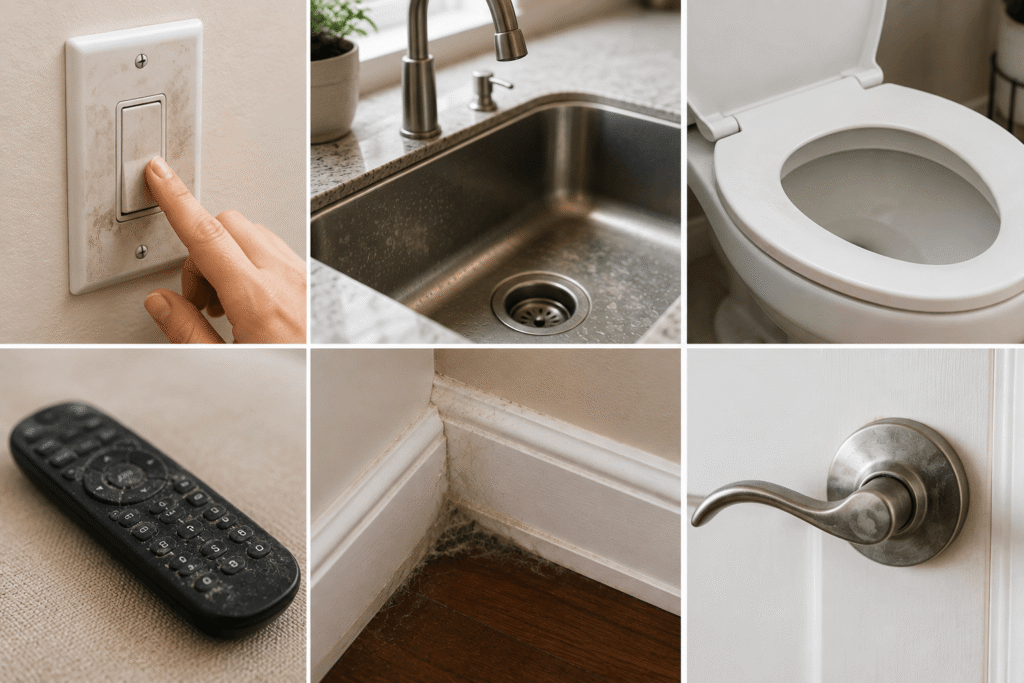
Do you need to clean before a cleaning appointment? It sounds backwards, but it’s one of the most common questions people ask when they’re trying to prepare home for cleaning.
Usually, the answer is no—you do not need to pre-clean your house. But a little preparation can make the cleaning visit smoother, more efficient, and easier for everyone involved. Small steps like clearing clutter, securing pets, and noting any priority areas can help the cleaning process stay focused on actual cleaning instead of basic pickup.
This guide explains how to prepare your home before a scheduled cleaning, what belongs on a simple pre-clean checklist, and which cleaning prep tips actually make a difference.
What Preparing for a Cleaning Really Means
When people hear “prepare home for cleaning,” they sometimes assume they need to scrub counters, vacuum floors, or tidy every room before the cleaner arrives. That is not usually the goal.
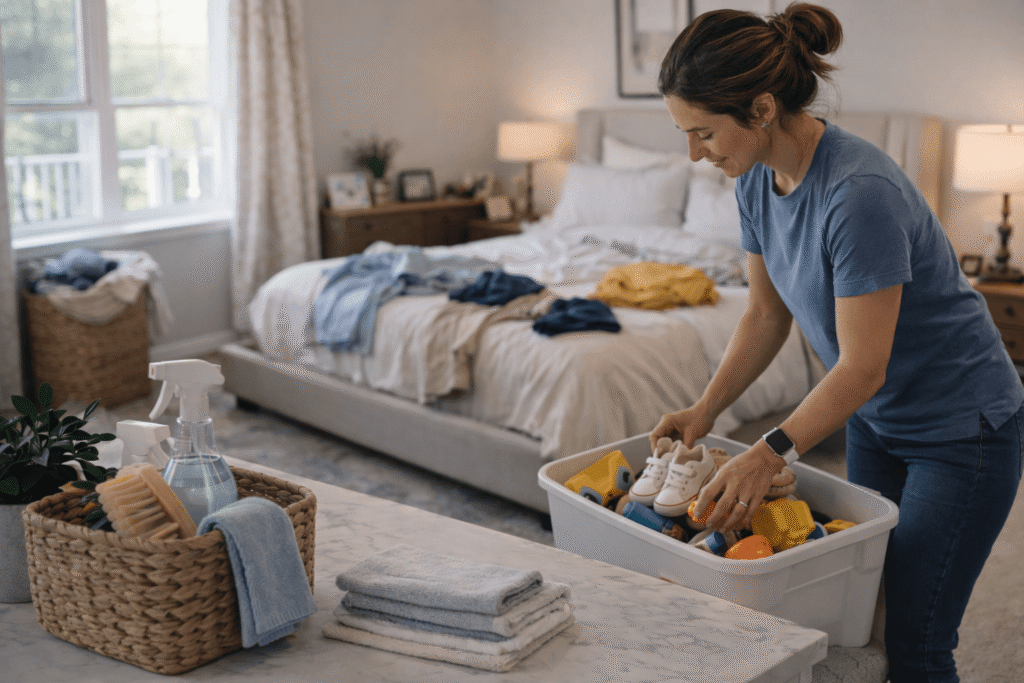
Preparing for a scheduled cleaning is less about doing the cleaning yourself and more about making the home accessible. In practical terms, that means helping cleaners reach the areas they need to clean without spending time moving piles, sorting personal belongings, or guessing which spaces need attention first.
A good cleaning prep routine usually includes:
- Picking up loose clutter
- Putting away important personal items
- Making sure entry points are clear
- Sharing notes about priorities or special instructions
That kind of preparation supports the cleaning itself without turning into extra work.
The Simple Pre-Clean Checklist That Helps Most
A useful pre-clean checklist should be short enough to follow without adding stress. The goal is to remove obstacles, not create a second to-do list.
Clear Floors and Surfaces
If toys, clothes, paperwork, or random household items are covering floors and counters, cleaners may need to work around them. That can slow things down and limit how thoroughly surfaces can be cleaned.
Helpful prep steps include:
- Picking up clothes, shoes, and bags.
- Clearing bathroom and kitchen counters.
- Moving toys or small items off the floor.
- Putting away important papers or mail.
This allows the cleaning visit to focus on dusting, wiping, vacuuming, and sanitizing rather than general tidying.
Put Away Fragile or Private Items
It is smart to store anything valuable, delicate, or personal before the appointment. This includes jewelry, cash, documents, medications, or sentimental items.
Even in a routine cleaning, it helps to reduce uncertainty by making sure personal belongings are already where you want them.
Make Access Easy
If cleaners need gate codes, parking instructions, alarm details, or notes about locked rooms, it helps to share that ahead of time. Clear access saves time and avoids confusion at the start of the visit.
What You Do Not Need to Do Before a Cleaning
One of the biggest misconceptions around cleaning prep is that the home needs to look nearly clean before the appointment starts.
In most cases, you do not need to:
- Vacuum beforehand
- Scrub sinks or showers
- Mop floors
- Dust furniture
- Wipe down kitchen counters
Those are often the very tasks included in the visit. If you’re trying to understand how a full cleaning visit is typically structured, it helps to look at what’s usually included in a complete professional house cleaning process, including how tasks are organized and handled from start to finish.
The point of preparation is not to do the cleaner’s work. It is to make sure the cleaning can happen efficiently and thoroughly.
How to Handle Pets, Kids, and Daily Life During Cleaning
Real homes are lived in, and cleaning appointments often happen in the middle of normal life. That is why some of the best cleaning prep tips have less to do with surfaces and more to do with movement, routines, and safety.
Pets
If you have pets, it helps to decide in advance whether they will be crated, kept in a separate room, or out of the house during the visit. This can reduce stress for both the animals and the cleaners.
Kids
If children will be home, it may help to keep certain play areas contained or set expectations around rooms being cleaned. That can prevent interruptions and make the visit less chaotic.
Work-From-Home Schedules
If someone will be working from home during the appointment, it is helpful to communicate which rooms are occupied and whether the cleaning should start elsewhere.
Preparation does not need to be perfect. It just helps to think through how the household will function while the cleaning is taking place.
When It Helps to Note Specific Priorities
Not every home needs the same kind of attention every time. Sometimes one bathroom needs extra focus. Sometimes a kitchen has had a particularly busy week. Sometimes a guest room can be skipped entirely.
That is why it helps to mention priorities in advance when needed. A short note can clarify:
- Rooms that need the most attention.
- Areas to avoid.
- Surface sensitivities or special instructions.
- Any add-on tasks already discussed.
Some cleaning routines are built around detailed checklists that break the home down into dozens of small, specific tasks, similar to how a 50-point deep cleaning system is structured.
If you’re looking to better understand how cleaning routines, schedules, and expectations come together, exploring different perspectives on home care can add helpful context.
Professional Perspective: Why Light Prep Makes a Difference
From a professional standpoint, preparation matters most when it improves access and clarity.
Cleaning teams usually work best when they can move through a home in a consistent, methodical way. If they need to stop and sort clutter, move fragile items, or guess which spaces matter most, it interrupts that flow.
That is why light preparation is often more useful than heavy preparation. A cleaner, smoother setup gives professionals more time to focus on the actual cleaning tasks rather than the barriers around them.
In other words, the best prep is not deep cleaning beforehand. It is creating a clear path for thorough work to happen.
Frequently Asked Questions
Do I need to clean before a scheduled cleaning?
No. You usually do not need to clean beforehand. Basic tidying and clearing clutter is often enough.
How do I prepare home for cleaning without overdoing it?
Focus on simple steps like picking up loose items, clearing surfaces, securing pets, and sharing any important instructions.
Should I declutter before cleaners arrive?
Yes, light decluttering helps. It makes surfaces and floors easier to access so the cleaning can be more thorough.
Do I need to leave the house during a cleaning appointment?
Not always. Some people stay home, while others leave. It depends on your schedule, comfort level, and the setup of the visit.
What should I put away before a cleaning?
It helps to put away valuables, personal paperwork, medications, and fragile items before the appointment.
Should I tell the cleaner which rooms matter most?
Yes, if certain areas need more attention or should be skipped, a quick note ahead of time can be helpful.
Final Thoughts
To prepare home for cleaning, you do not need to do the cleaning yourself. The most helpful prep is usually simple: clear clutter, protect personal items, make access easy, and communicate anything important ahead of time.
A short pre-clean checklist can make the appointment feel smoother without adding more stress to your day. And when expectations are clear, the cleaning process tends to be more focused and more effective.
If you’d like to explore this topic further, our related guides go deeper.