Keeping a home clean is important, but figuring out how much to budget for cleaning can feel surprisingly complicated. Should you set aside money for supplies only? What about seasonal deep cleaning? And how do you account for unexpected messes, busy seasons, or larger maintenance projects?
If you’ve ever wondered whether you’re spending too much or too little on cleaning, you’re not alone. Many homeowners focus on obvious expenses while overlooking the true cost of maintaining a healthy, comfortable living space.
By the end of this guide, you’ll understand how cleaning budget planning works, what expenses to include, and how to create a realistic budget that supports both your home and your peace of mind.
Why Cleaning Budget Planning Matters
Most household budgets include categories like groceries, utilities, and transportation. Cleaning often gets lumped into miscellaneous spending, making it difficult to track actual costs.
A dedicated cleaning budget helps you:
- Anticipate recurring expenses
- Avoid surprise spending
- Plan for larger cleaning projects
- Understand overall home maintenance costs
- Make informed decisions about cleaning priorities
A realistic budget also creates consistency. Instead of reacting when something becomes dirty or overwhelming, you can plan ahead and spread costs throughout the year.
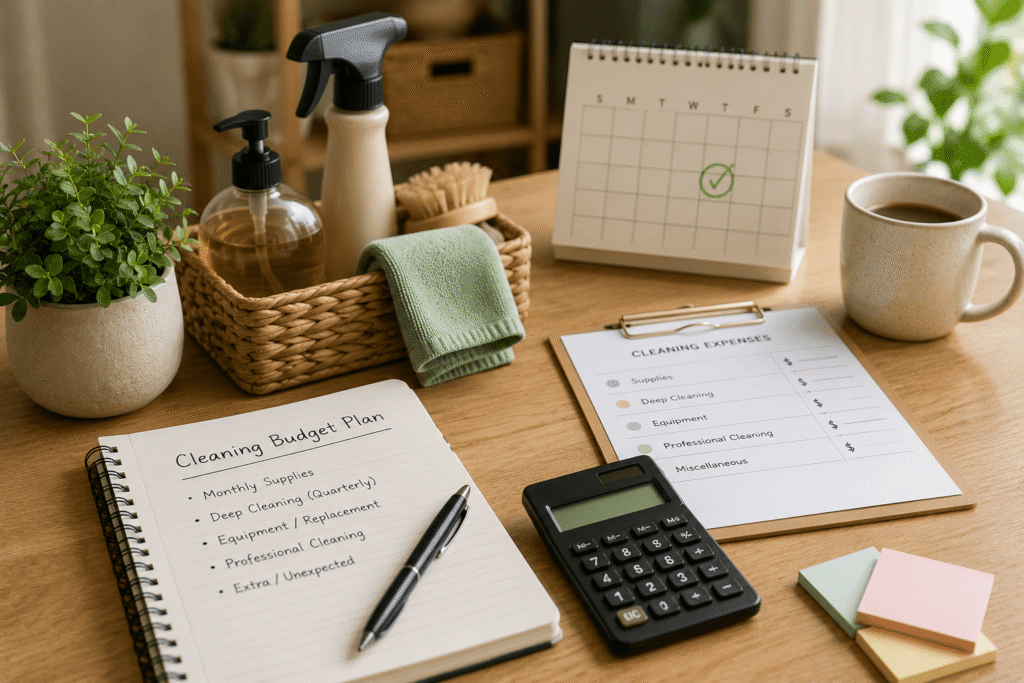
What Should Be Included in a Home Cleaning Budget?
When people think about cleaning expenses, they often picture a bottle of spray cleaner and a few paper towels. In reality, cleaning costs can include much more.
Basic Cleaning Supplies
These are the products most households replace regularly:
- Multi-surface cleaners
- Glass cleaners
- Disinfectants
- Floor cleaners
- Sponges and scrub brushes
- Microfiber cloths
- Vacuum bags or filters
- Trash bags
While individual purchases may seem small, they can add up significantly over the course of a year.
Equipment Maintenance and Replacement
Many cleaning tools require ongoing maintenance or eventual replacement.
Examples include:
- Vacuum repairs
- Mop replacements
- Air purifier filters
- Carpet cleaning machines
- Steam cleaners
Including these expenses in your budget helps prevent unexpected costs when equipment wears out.
Seasonal Deep Cleaning Projects
Some cleaning tasks only happen once or twice a year.
Examples include:
- Carpet cleaning
- Window cleaning
- Garage cleanouts
- Appliance cleaning
- Decluttering projects
Many homeowners underestimate these occasional expenses when creating a cleaning budget.
Professional Cleaning Services
Some households choose to handle everything themselves, while others allocate funds for specialized or recurring cleaning assistance.
Understanding the role of professional cleaning can help you better estimate long-term costs. If you’re unfamiliar with what comprehensive cleaning typically includes, this guide to professional house cleaning provides helpful context.
How Much Should You Budget for Home Cleaning?
There is no universal number because every household is different.
Factors that influence cleaning costs include:
Home Size
Larger homes generally require:
- More cleaning products
- More equipment usage
- More time for maintenance
- Larger deep-cleaning projects
A small apartment and a multi-level family home will naturally have different cleaning budgets.
Household Size
The number of people living in a home affects:
- Frequency of cleaning
- Supply usage
- Wear and tear
- Laundry volume
- General maintenance needs
Children and pets can also increase cleaning frequency and product consumption.
Lifestyle and Activity Levels
Homes that host guests frequently, support remote work, or accommodate active families often require more regular cleaning.
Higher daily use typically means higher cleaning-related expenses.
How Do Home Maintenance Costs Connect to Cleaning?
Cleaning and home maintenance are often treated as separate categories, but they are closely connected.
Regular cleaning helps homeowners:
- Identify leaks early
- Notice mold growth sooner
- Prevent excessive dust buildup
- Extend flooring lifespan
- Maintain appliances more effectively
When cleaning is neglected for long periods, maintenance costs can increase because small issues go unnoticed.
Many financial experts recommend viewing cleaning as part of a broader home maintenance strategy rather than a standalone expense.
Should You Budget Monthly or Annually for Cleaning?
Both approaches can work, but many homeowners find that combining them creates the most realistic picture.
Monthly Budgeting
Monthly budgeting works well for:
- Cleaning supplies
- Laundry products
- Consumable items
- Small replacement tools
These are predictable expenses that occur regularly.
Annual Budgeting
Annual planning helps account for:
- Deep cleaning projects
- Equipment replacement
- Specialty cleaning services
- Large organizational projects
By dividing annual expenses across twelve months, you can create a more stable budget and avoid financial surprises.
What Is the True Value of a Clean Home?
When discussing cleaning costs, it’s easy to focus only on dollars spent.
However, cleaning value extends beyond direct financial measurements.
A well-maintained home can contribute to:
- Better organization
- Improved comfort
- Reduced stress
- More efficient routines
- Easier home maintenance
Many homeowners discover that the value of a clean home is not simply about appearance. It’s about creating an environment that feels manageable and supports daily life.
The most effective cleaning budgets recognize both financial costs and practical benefits.
How Professionals Think About Cleaning Costs
Professionals often approach cleaning differently than homeowners.
Rather than waiting until a home feels overwhelming, they think in terms of maintenance and prevention. This mindset focuses on consistent upkeep rather than occasional intensive effort.
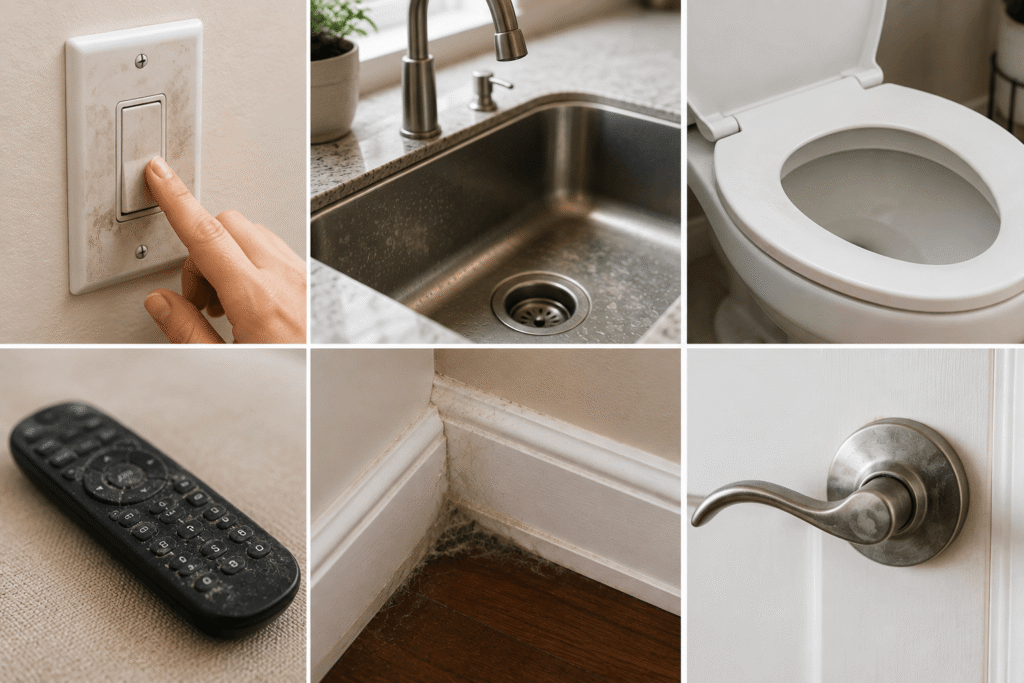
For example, many professional cleaning systems prioritize recurring attention to commonly overlooked areas such as baseboards, light switches, vents, and high-touch surfaces. Addressing these areas regularly can reduce the amount of labor required later and help maintain overall cleanliness more efficiently. This preventative approach reflects how many experienced cleaners view long-term cleaning value.
Thinking proactively instead of reactively often leads to more predictable costs and better long-term results.
Where Can You Learn More About Cleaning and Home Care?
Building a cleaning budget is only one part of maintaining a home effectively.
For additional educational resources, cleaning tips, and planning guides, you can explore the Cleaning Advice category.
You may also find it helpful to understand what is typically included in a comprehensive deep cleaning process.
Learning how different cleaning approaches work can make budgeting decisions easier and more informed.
Frequently Asked Questions
How much should I spend on cleaning supplies each month?
The amount varies based on home size, household size, and cleaning habits. Most households benefit from tracking supply purchases for several months to establish a realistic baseline.
What is included in cleaning budget planning?
Cleaning budget planning typically includes cleaning supplies, equipment maintenance, seasonal projects, replacement tools, and any professional cleaning expenses.
Are cleaning costs considered home maintenance costs?
Many experts view cleaning as part of overall home maintenance because regular cleaning helps preserve surfaces, appliances, and home systems.
How often should I review my cleaning budget?
A quarterly review is often sufficient. This allows you to adjust for seasonal expenses, changing household needs, and unexpected costs.
Is it better to budget monthly or yearly for cleaning?
A combination of both is usually most effective. Monthly budgets cover routine expenses, while annual planning accounts for larger projects and equipment replacement.
Why do cleaning expenses often feel unpredictable?
Many homeowners track recurring supplies but overlook occasional expenses such as carpet cleaning, window cleaning, equipment replacement, or major organizing projects.
Conclusion
Creating a realistic cleaning budget starts with understanding all the expenses involved—not just the products under the sink. When you account for supplies, equipment, seasonal projects, and broader home maintenance costs, budgeting becomes much more accurate and manageable.
A thoughtful approach to cleaning budget planning can help reduce surprises, improve organization, and support a more comfortable living environment throughout the year.
If you’d like to explore this topic further, our related cleaning and home maintenance guides go deeper into the planning process and practical strategies for keeping a home running smoothly.