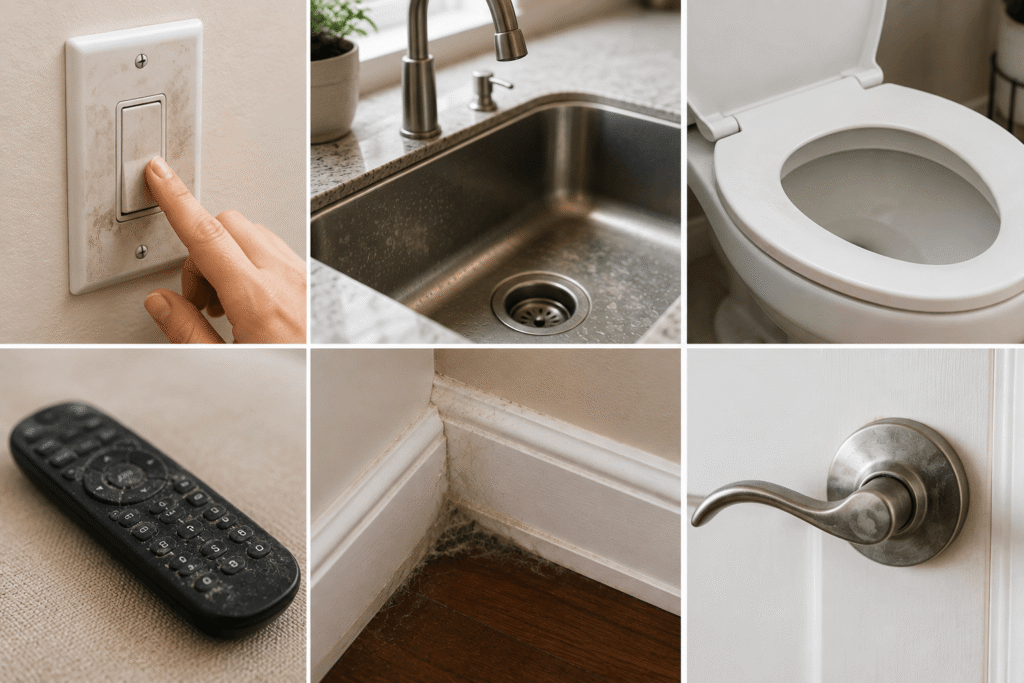
You vacuum regularly, wipe down counters, and keep up with laundry—yet somehow your home still feels dusty and grimy within days. The reality is that certain areas act like dirt magnets, accumulating grime faster than you can address it.
Understanding which spaces collect the most dirt helps you focus cleaning efforts where they matter most. Not all areas are equal when it comes to dirt accumulation—some combine high traffic, moisture, and organic matter in ways that accelerate grime buildup.
This guide breaks down the dirtiest areas in a home, explains why they get so grimy, and identifies the spots most people overlook entirely.
What You’ll Learn
You have kids or pets
Toys scatter across floors, muddy paws track through the kitchen, and sticky fingerprints appear on every surface. High-traffic zones and play areas need targeted attention to keep dirt under control.
You clean but it doesn’t last
You spend Saturday deep-cleaning, but by Tuesday the house feels dusty again. Understanding which areas accumulate dirt fastest helps you maintain cleanliness with less constant effort.
You want to clean smarter
You’re tired of generic cleaning advice. You want to know exactly where dirt accumulates so you can prioritize those areas and skip what doesn’t actually matter for a clean-feeling home.
High-Traffic Entry Points and Floors
Entryways and hallways are battlegrounds against outdoor contaminants. Every time someone enters your home, they bring in dirt, pollen, pesticides, and microorganisms clinging to shoes and clothing.
Studies show that up to 80% of household dirt comes through entry points. The first six feet inside any door accumulates exponentially more grime than interior spaces because it serves as a collection zone for everything tracked in from outside.

Why Entryways Get So Dirty
The combination of outdoor debris, weather conditions, and constant foot traffic makes entry areas the dirtiest zones in most homes. Mud, leaves, road salt, and lawn chemicals concentrate in these spaces.
Doormats help but don’t eliminate the problem—they trap some debris but can’t prevent microscopic particles from entering. The first few steps inside any door need frequent cleaning to prevent dirt distribution throughout the rest of the home.
Cleaning Focus: Vacuum or sweep entry floors every 2-3 days. Mop weekly with attention to corners where dirt accumulates. Wash doormats monthly and shake them out between cleanings.
Hallways and Main Traffic Paths
The path from your front door to the kitchen, the route to bedrooms, the walkway to the bathroom—these corridors show dirt quickly because the same footsteps compress particles into flooring materials repeatedly.
Carpet in high-traffic zones appears dingy not just from surface dirt but from particles ground deep into fibers. Hardwood and tile show visible wear patterns along traffic routes where protective finishes degrade from constant contact.
Baseboards along these paths collect dust kicked up by passing feet. Walls at hand-height show smudges and fingerprints. Corners where walls meet floors become dirt repositories because foot traffic doesn’t disturb debris that settles there.
Kitchen Surfaces and Hidden Grime Zones
The kitchen combines food residue, moisture, heat, and constant use—conditions that create the perfect environment for bacteria growth and stubborn grime buildup.
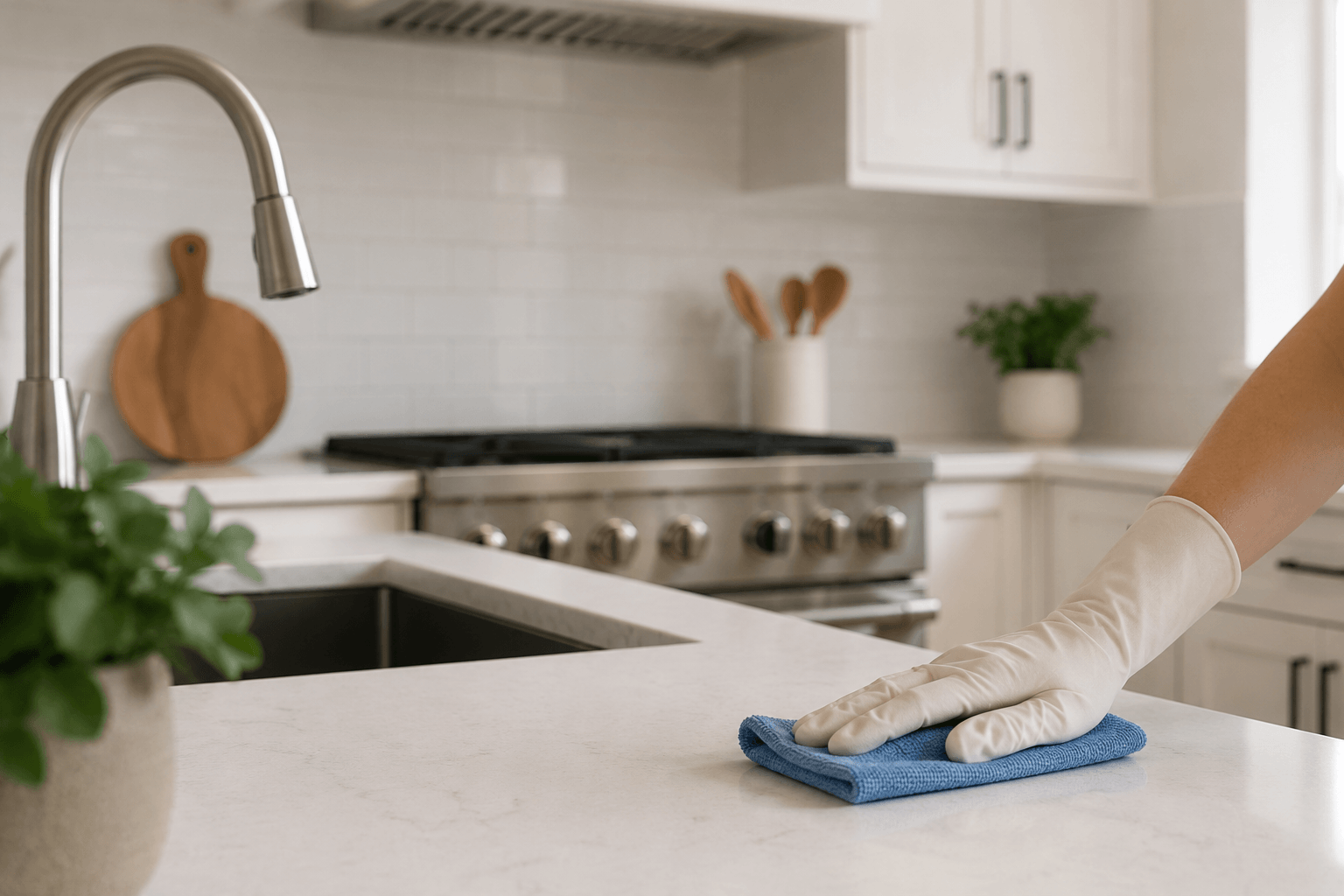
The Kitchen Sink: Dirtier Than Your Toilet
Research consistently shows that kitchen sinks harbor more bacteria than toilet bowls. Raw meat juices, vegetable soil, and food particles create a nutrient-rich environment for microorganisms. Constant moisture prevents surfaces from drying, allowing bacteria colonies to thrive.
The drain area, sink basin, and faucet handles receive direct contact with contaminated hands and food debris multiple times daily. Splash zones around the sink collect soapy residue mixed with food particles—a sticky layer that traps additional dirt and harbors bacteria.
Dish sponges and brushes stored near the sink become bacterial breeding grounds within days. The same tool used to “clean” dishes can actually spread contamination across supposedly clean surfaces.
Countertops and Food Prep Areas
Countertops receive constant contact with grocery bags, purses, keys, phones, and hands—all of which carry bacteria and dirt from outside environments. Food preparation adds another layer of contamination through raw ingredients and spills.
The area behind appliances like coffee makers and toasters accumulates splatter, dust, and sticky residue that rarely gets wiped. Crumbs and drips collect in the seam where counters meet backsplashes. Corner areas trap debris that standard wiping motions miss.
↑ What Increases Kitchen Grime
- Cooking with oil and grease
- Infrequent appliance cleaning
- Not wiping spills immediately
- Storing items on counters
- Using same sponge for multiple tasks
↓ What Keeps Kitchen Cleaner
- Daily counter and sink wipe-downs
- Cleaning as you cook
- Replacing sponges weekly
- Clearing counters completely
- Using designated cleaning cloths
Kitchen Floors: The Final Destination for Everything
Gravity pulls food particles, liquid drips, and dust onto kitchen floors. Crumbs fall during meal prep and eating. Grease particles released during cooking settle on floor surfaces. Foot traffic from cooking activities spreads this debris across the entire floor area.
The area in front of the stove and sink shows the most visible grime because these zones see the highest concentration of spills and splatter. Under cabinets and appliances, debris accumulates undisturbed—dust bunnies mix with food particles to form sticky, difficult-to-remove buildup.
For more guidance on maintaining kitchen cleanliness between professional services, see our article on how to maintain a clean home.
Bathroom Moisture and Bacteria Hotspots
Bathrooms get dirty faster than almost any other room because they combine high moisture, organic matter, and enclosed spaces—conditions that accelerate both visible grime and invisible bacterial growth.
Showers and Tubs: Soap Scum and Mildew Central
Every shower creates a cloud of steam carrying soap particles, body oils, and dead skin cells. When this mixture settles on tile, glass, and grout, it forms soap scum—a chalky, sticky residue that attracts additional dirt and provides nutrients for mildew growth.
Grout lines between tiles are particularly problematic. The porous material absorbs moisture and organic matter, creating dark staining that deepens over time. Corner areas where walls meet tubs or shower pans trap water and debris, becoming prime spots for mold colonies.
Showerheads accumulate mineral deposits from hard water. These crusty white or brown buildups block water flow and harbor bacteria. The same mineral deposits create rings around drains and stubborn stains on fixtures.
Prevention tip: Squeegee shower walls and doors after each use. This simple 30-second habit removes 75% of moisture before soap scum can form, dramatically reducing cleaning frequency needed.
Toilet Areas and Surrounding Floors
Toilets create aerosol plumes when flushed—microscopic droplets that spread bacteria onto surrounding surfaces including walls, floors, and nearby items. This “toilet plume” extends several feet, contaminating bathroom surfaces you might not think to clean regularly.
The base of the toilet where it meets the floor collects dust, hair, and moisture. This junction becomes sticky and discolored quickly. The area behind the toilet is difficult to reach but accumulates significant dust and debris.
Bathroom floors near the toilet and sink show grime buildup from water splashes, dropped personal care products, and tracked-in debris. Hair accumulates in corners and along baseboards. Bathmats trap moisture and soap residue, becoming musty within days if not dried properly between uses.
Sink and Vanity Contamination
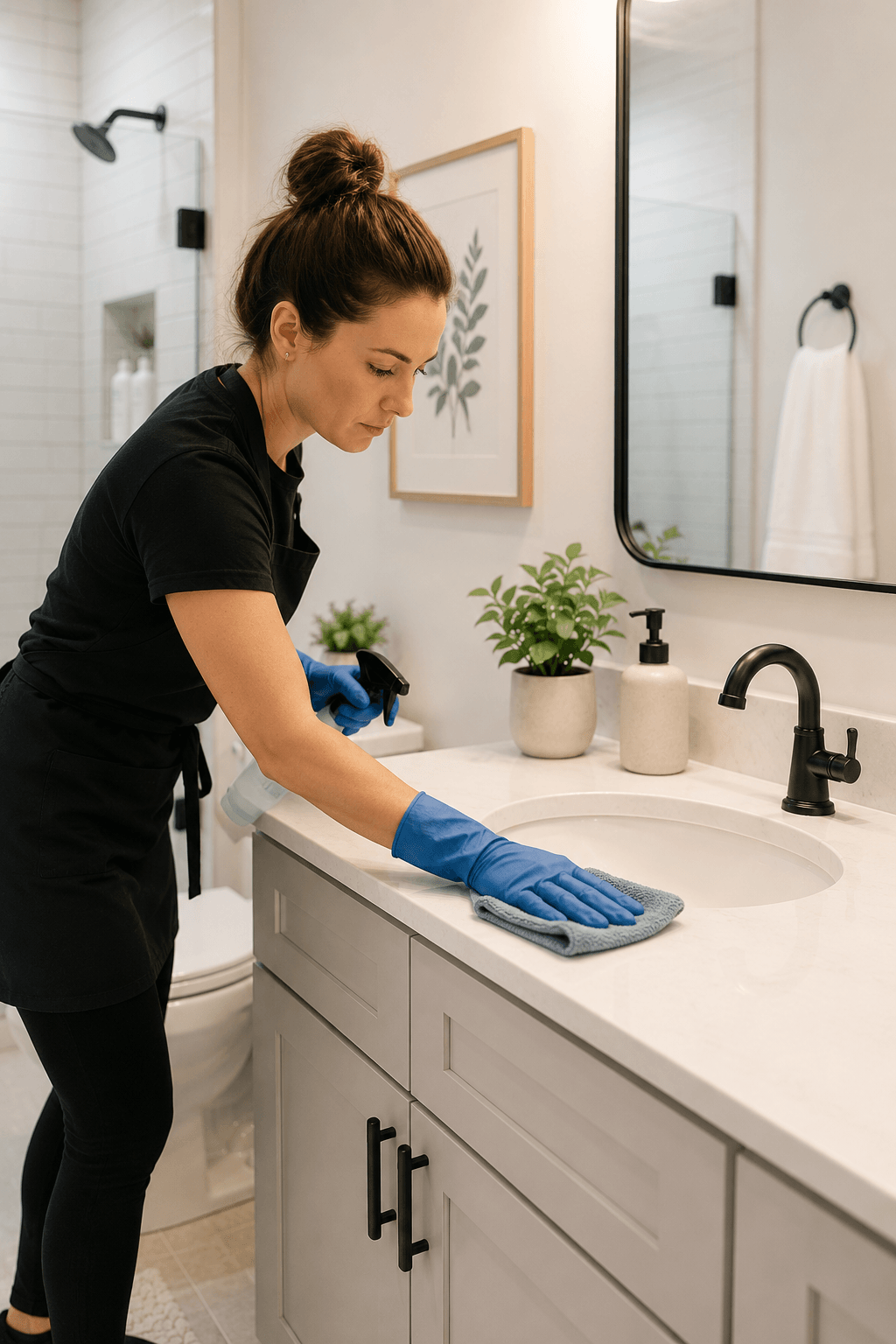
Toothpaste splatter, makeup residue, hair product buildup, and soap scum coat bathroom sinks and vanities. These substances create sticky films that trap dust and bacteria. Faucet handles receive contact from unwashed hands, making them high-touch contamination points.
The overflow hole in sinks—that small opening near the top of the basin—collects bacteria and organic matter, creating musty odors many people can’t identify the source of. Drain stoppers and pop-up assemblies accumulate hair and soap scum, restricting water flow and harboring bacteria.
High-Touch Surfaces Throughout the Home
High-touch surfaces accumulate bacteria, oils, and grime from repeated hand contact. These areas feel clean to the eye but harbor significant contamination that transfers between family members and spreads throughout the home.

Door Handles, Light Switches, and Cabinet Hardware
Every person entering or exiting a room touches door handles. Every time someone turns lights on or off, they transfer bacteria and oils to switch plates. These surfaces receive dozens or hundreds of touches daily, making them efficient disease transmission points within households.
Cabinet and drawer pulls in kitchens and bathrooms see particularly heavy contact with hands that have just touched food, used the toilet, or applied personal care products. The combination of oils from skin and residue from whatever task preceded the touch creates sticky buildup that darkens hardware finish over time.
Light switch plates accumulate oils and dirt around the toggle or button area. The wall surface immediately surrounding switches shows discoloration from hand contact—areas most people never think to wipe.
Electronics and Remote Controls
TV remotes, game controllers, tablets, and phone screens harbor more bacteria per square inch than most other household surfaces. These devices pass between multiple family members, rarely get cleaned, and receive contact from hands in all states of cleanliness.
Button crevices on remotes trap crumbs, dust, and skin oils. Screens collect fingerprints that attract additional dust particles. Computer keyboards and mice show similar contamination patterns—frequently touched but rarely cleaned.
🚩 Often-Missed High-Touch Items
- Refrigerator door handles
- Stair railings and banisters
- Thermostat panels
- Garage door openers
- Mailbox handles
🚩 Shared-Use Contamination Points
- Coffee maker buttons
- Microwave control panel
- Water dispenser nozzles
- Pet food containers
- Laundry machine dials
Furniture Armrests and Table Surfaces
The arms of sofas and chairs receive constant contact from hands and sometimes feet. Oils from skin transfer to upholstery or leather, gradually darkening these areas. Dining chairs show similar wear patterns on the top rail where hands grip when pulling chairs out or pushing them in.
Coffee tables and end tables collect dust, drink rings, food crumbs, and fingerprints. These surfaces serve as resting places for items carried in from outside—purses, bags, packages—transferring outdoor contaminants to interior living spaces.
Understanding what professional cleaners prioritize can help you identify the most important high-touch areas. Our guide to what’s included in a professional home cleaning outlines standard focus areas.
The Most Overlooked Dirty Areas
Some of the dirtiest areas in homes go completely unnoticed because they’re out of sight or only visible from certain angles. These zones accumulate months or years of buildup before anyone realizes they need attention.
Behind and Under Large Appliances
The space behind refrigerators collects dust on cooling coils, reducing appliance efficiency and creating fire hazards. Food particles and crumbs that roll under the fridge mix with dust to form sticky, matted debris that’s difficult to remove once hardened.
Under stoves and dishwashers, spills and food debris accumulate unnoticed. These areas often contain years of buildup because pulling out major appliances requires effort most people avoid during regular cleaning. The same pattern occurs behind washing machines and dryers—lint, dust, and lost items pile up in spaces that never get vacuumed.
Top Surfaces of Cabinets and Tall Furniture
The tops of kitchen cabinets that don’t reach the ceiling become dust and grease repositories. Cooking activities release airborne grease particles that rise with heat and settle on any horizontal surface. Over time, this creates a sticky, dark coating mixed with accumulated dust.
Bookcases, armoires, and wardrobes show similar accumulation on top surfaces. These areas are only visible when standing on something to reach them—meaning most homeowners never see the extent of buildup until moving furniture or during deep cleaning.
Air Vents and Return Grilles
Heating and cooling vents accumulate dust that’s pulled through the system and deposited on grille surfaces. Supply vents that blow air into rooms develop gray, fuzzy buildup on the outward-facing side. Return vents that pull air in show heavy dust accumulation inside the grille openings.
Bathroom exhaust fans develop particularly problematic buildup because they pull in moisture along with dust, creating sticky grime that reduces fan effectiveness and can lead to motor failure. Many bathroom fans are completely clogged with gray, matted debris that blocks airflow.
Professional insight: Most professional cleaners include vent covers in deep cleaning services but not routine maintenance. Homeowners should vacuum vent covers monthly and wipe them with damp cloths quarterly to prevent heavy buildup.
Baseboards and Crown Molding
Baseboards collect dust kicked up by foot traffic and pet movement. The horizontal top edge of baseboards catches and holds dust that settles from the air. Behind furniture that sits close to walls, baseboards accumulate undisturbed dust for months or years.
Crown molding and ceiling corners show visible dust lines when light hits them at certain angles. These elevated areas rarely get wiped because they require step stools or extension dusters to reach. The buildup becomes apparent only when someone looks up at the right moment.
Inside Small Appliances and Storage Areas
Microwave interiors splatter with food particles that harden into difficult-to-remove buildup. The ceiling and back wall of microwaves often show brown or yellow staining from repeated heating without cleaning. Toaster crumb trays fill with burnt breadcrumbs that never get emptied.
Coffee makers accumulate mineral deposits and coffee oil residue inside chambers that aren’t visible during daily use. Dishwasher filters trap food particles and develop odors. Washing machine drums can harbor mildew in the rubber seal folds.
Many of these overlooked areas become apparent during deep cleaning. To understand the difference between routine maintenance and deep cleaning, see our comparison of deep cleaning vs routine cleaning.
Where to Focus Your Cleaning Efforts
Not all dirty areas require equal attention. Focusing cleaning efforts on spaces that accumulate dirt fastest or pose the greatest health concerns creates a more efficient cleaning routine.

Daily Attention Areas
Kitchen counters and sinks should receive daily wipes after meal preparation. This prevents bacterial growth and stops grime from hardening into difficult-to-remove deposits. High-touch surfaces like door handles and light switches benefit from daily or every-other-day attention with disinfecting wipes.
Entry area floors need frequent sweeping or vacuuming—every 2-3 days minimum. This prevents outdoor dirt from spreading throughout the home. Bathroom sinks and toilets should get quick daily wipes to prevent soap scum and bacteria buildup.
Weekly Focus Zones
Kitchen floors should be thoroughly mopped weekly. Bathroom showers and tubs need weekly scrubbing to prevent soap scum from becoming difficult to remove. All bathroom floors require weekly mopping with attention to areas behind toilets and along baseboards.
Main living area floors should be vacuumed or swept weekly, with mopping as needed based on visible dirt. Dusting furniture surfaces, electronics, and decor items on a weekly basis prevents heavy buildup that becomes harder to remove over time.
Before Deep Cleaning
- ✓ Identify high-dirt areas
- ✓ Gather appropriate supplies
- ✓ Clear surfaces and floors
- ✓ Plan realistic time blocks
During Cleaning
- ✓ Start with high-touch surfaces
- ✓ Work top to bottom
- ✓ Address visible grime first
- ✓ Use appropriate products
After Cleaning
- ✓ Establish maintenance routine
- ✓ Schedule next deep clean
- ✓ Note problem areas
- ✓ Maintain daily touch-ups
Monthly and Seasonal Deep Cleaning
Overlooked areas require less frequent but more intensive attention. Schedule monthly cleaning for tops of cabinets, behind appliances, and inside small appliances. Address air vents, baseboards, and crown molding on a monthly or quarterly basis depending on household dust levels.
Seasonal deep cleaning should tackle areas that accumulate slow but steady buildup: window tracks, ceiling fans, under furniture, behind electronics, and inside closets. These spaces don’t show obvious dirt but benefit significantly from quarterly attention.
For a comprehensive approach to seasonal cleaning, our guide on spring cleaning planning provides detailed strategies for addressing accumulated grime systematically.
When Professional Help Makes Sense
Some households benefit from professional cleaning for high-dirt areas that require special equipment or expertise. Professional services address overlooked areas systematically and have products designed for stubborn buildup that household cleaners can’t remove effectively.
Professionals also complete deep cleaning tasks more efficiently, reaching difficult areas without the physical strain or time investment required for DIY efforts. Regular professional service combined with homeowner maintenance creates the most effective approach for managing high-dirt areas.
To understand what professional cleaners prioritize versus what they typically skip, see our article on the 15 areas every cleaning service skips.
Frequently Asked Questions
What part of the house gets dirty the fastest?
High-touch surfaces like door handles, light switches, and kitchen counters accumulate dirt and germs fastest. The kitchen sink often contains more bacteria than most toilet seats due to constant food contact and moisture. Entry areas also get dirty quickly from outdoor contaminants tracked inside on shoes and clothing.
Where does dust accumulate most in a home?
Dust settles most heavily on horizontal surfaces that don’t get touched often—tops of cabinets, ceiling fan blades, baseboards, and behind furniture. Air return vents and corners where airflow is minimal also collect significant dust. Areas near windows and doors accumulate more due to outdoor particle entry.
Why does the bathroom get so dirty so quickly?
Bathrooms combine moisture, organic matter, and constant use—the perfect environment for soap scum, mildew, and bacteria growth. Steam from showers deposits minerals on surfaces, while toothpaste, hair products, and body oils create sticky residues that trap dust and dirt particles.
What are the most commonly overlooked dirty areas in homes?
Most people overlook areas they don’t see daily: refrigerator coils, dishwasher seals, washing machine drums, air vents, behind appliances, under furniture, and the top surfaces of tall cabinets. Remote controls, phone screens, and reusable shopping bags also harbor significant bacteria but rarely get cleaned.
How often should high-dirt areas be cleaned?
High-touch surfaces should be wiped down daily or every other day. Kitchen counters and sinks need daily attention. Bathrooms benefit from weekly deep cleaning with daily spot maintenance. Floors in entry areas should be vacuumed or swept 2-3 times weekly, while less-trafficked areas can go longer between cleanings.
Does carpet or hardwood collect more dirt?
Carpet traps and hides more dirt within its fibers, holding onto dust, allergens, and debris that aren’t visible on the surface. Hardwood shows dirt more obviously but is easier to clean completely. Both flooring types collect similar amounts of dirt—the difference is visibility and removal difficulty.
Focus on Living, Not Scrubbing
Understanding where dirt accumulates helps you clean smarter, not harder. But maintaining all these high-dirt areas takes consistent time and effort many households simply don’t have.
Professional cleaning addresses the areas that matter most—entry zones, kitchens, bathrooms, and the overlooked spots that accumulate grime over time. You get a genuinely clean home without spending your weekends scrubbing baseboards and moving appliances.
No pressure. No pitch. Just a clear picture of what’s possible.
Knowing which areas collect the most dirt allows you to prioritize cleaning efforts where they’ll have the greatest impact. Entry zones, kitchens, bathrooms, and high-touch surfaces require frequent attention to prevent buildup that becomes difficult to remove.
The overlooked areas—behind appliances, on top of cabinets, inside vents—accumulate dirt slowly but significantly over time. Addressing these zones periodically prevents the kind of heavy grime that requires professional intervention to remove.
A cleaning routine that focuses on high-dirt areas maintains a healthier, more comfortable home environment without requiring constant effort. Understanding where dirt collects transforms cleaning from an overwhelming chore into a manageable system.